
Think before you choose: Sugar Vs Jaggery Vs Honey

Sugar is one of the biggest culprits behind unexplained weight gain—and arguably one of the hardest habits to quit. It has quietly become a daily ritual, starting with tea or coffee in the morning and continuing through multiple foods across the day.
Despite the availability of multiple varieties, sugar in all its forms behaves similarly in the body. Whether it comes from sugarcane or beetroot, excessive intake acts like a slow poison over time.
Understanding the Manufacturing Process :
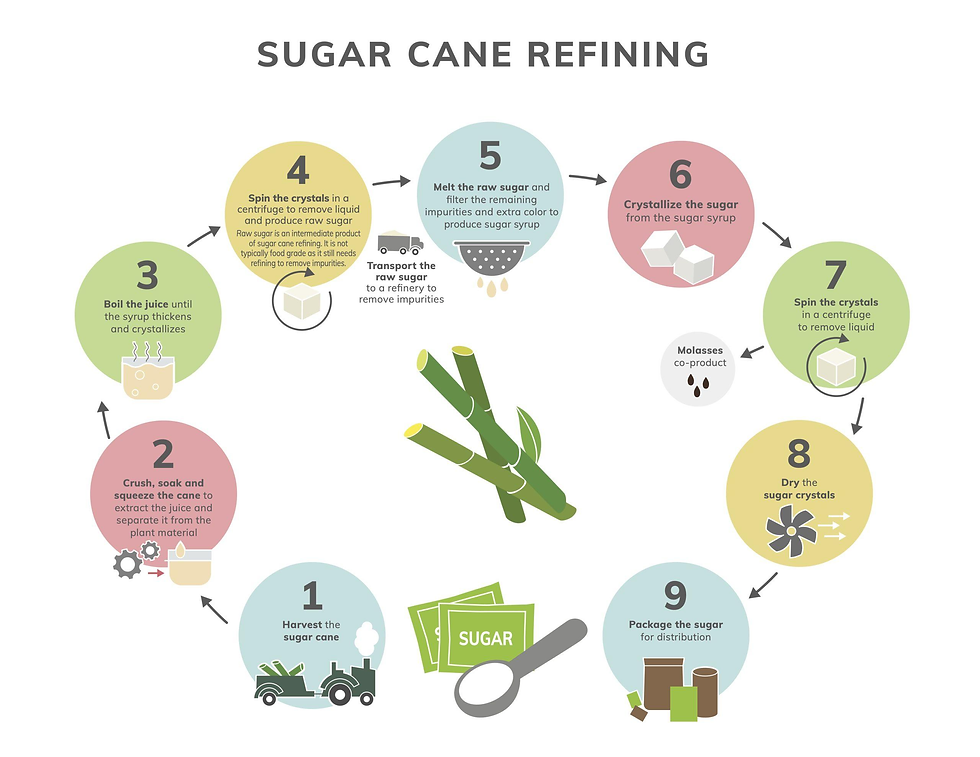
The color and type of sugar depend on how it is processed:
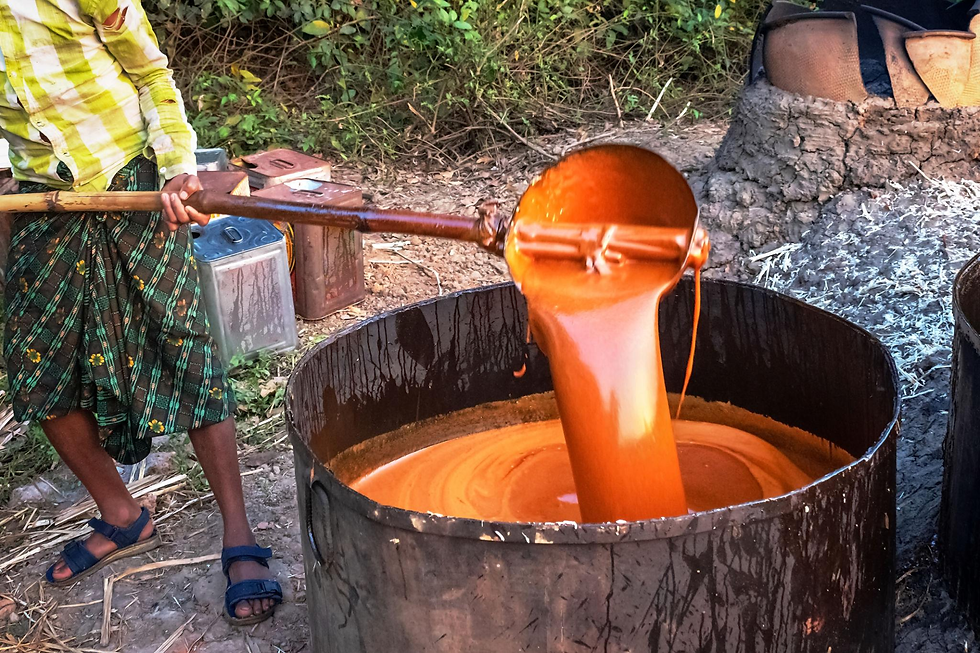
When sugarcane juice is boiled, it forms a thick brown liquid called molasses
Removing molasses completely gives white sugar
Adding molasses back in controlled amounts produces brown sugar
Minimal processing of sugarcane juice results in jaggery (gur)
So while they look different, their core origin remains the same.
Sugar & Obesity: The Real Concern
When people try to lose weight, they are often advised to cut sugar and switch to “healthier” alternatives like jaggery or honey.
But here’s the truth:
Simply replacing sugar with jaggery or honey does not automatically make your diet healthier.
Calories still count. Blood sugar still rises. And overconsumption still leads to weight gain.
SUGAR VS JAGGERY:


Jaggery is often marketed as a “healthy” alternative—but let’s break it down:
Has similar calories and glycemic impact as sugar
Derived from the same source (sugarcane)
Slightly richer in minerals like iron
Common Misconception
Many believe jaggery is safe for diabetics—this is not true. It still raises blood sugar significantly.
Benefits (when used in moderation)
May help with digestion
Traditionally used for cough and cold relief
Contains antioxidants that support immunity
Can help with menstrual discomfort due to iron content
But watch out
Excess intake can lead to:
Weight gain
High blood sugar
Indigestion
Increased body heat
SUGAR VS HONEY:

Honey is often considered superior—but context matters.
What makes honey different?
Contains glucose + fructose + other complex sugars
Has trace minerals, antioxidants, and enzymes
Slightly slower digestion compared to refined sugar
Potential Benefits
Supports immunity
May help soothe cough and cold
Provides small amounts of micronutrients
Can support skin and hair health
Reality Check
Still high in calories
Can spike blood sugar if overused
Not a “free food”
The Final Verdict
Cutting down sugar is one of the most powerful steps toward a healthier lifestyle.
White sugar and brown sugar = empty calories
Jaggery = slightly more nutrients, but similar metabolic impact
Honey = better composition, but still a sugar source
For people with diabetes or insulin resistance, decisions should be based on glycemic response, not just perceived “healthiness.”
Bottom Line
There is no perfect sweetener.
It’s not about what you choose—it’s about how much you consume.
Even the “healthiest” option can harm you if taken in excess.
Moderation isn’t optional—it’s essential.


Comments